


Dormitory Construction Process
The construction of the dormitory for girls from the Mana and Mansha tribes has begun at a vigorous pace. The perimeter fence, foundation, water connections, and sewage systems have been completed. The guiding hand of God can be felt throughout the construction process. We are thrilled that the process has started with surprising smoothness.
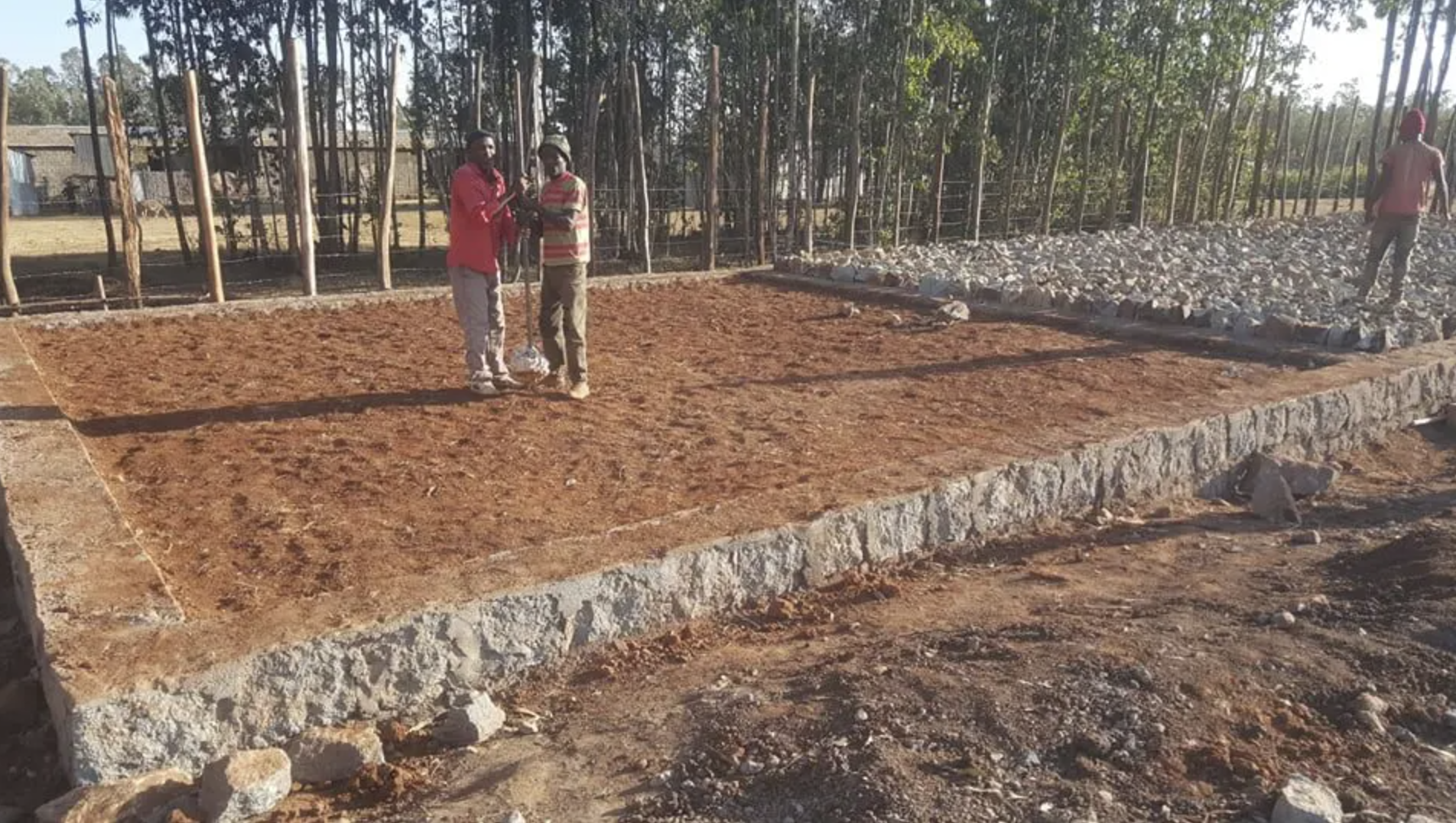
The local project supervisor is our partner, Pastor Dawit Guduno.
Soon, the first 20 young women from these tribes will begin their schooling in Sodo. The school year starts in mid-September. They will return home to show their first report cards in February, spend a month with their families, and then return for the second semester, which lasts until the end of June.
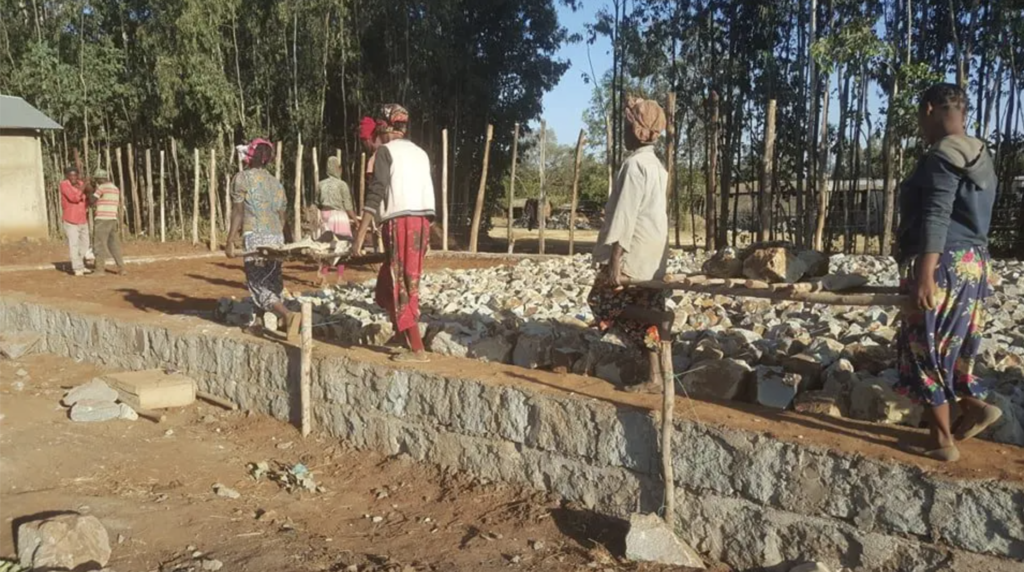
Dawit Guduno is an evangelist from Southern Ethiopia who has dedicated his life to evangelizing tribal peoples. His heart’s desire is to improve access to education in areas that lack necessary infrastructure and electricity, and where reaching a distant school requires hours of walking on foot. We visited the Mana and Mansha tribes with him in 2019. The situation touched everyone who visited the region.
At the NGO Damotas, we are sincerely grateful to everyone who has contributed or offered support. New beginnings await us all, both in our dear homeland Estonia and far away in Ethiopia.
The approximate total annual cost of the dormitory per child is 215 euros. This includes the salaries of two supervisors/teachers, three hot meals a day, and other household expenses. In the same facility, children have the opportunity to wash themselves and their laundry. The dormitory will include a dining/living room with a dining table for twenty students for shared evening fellowship. There are two separate sleeping quarters.
Let us think together about these distant and profound needs, and if possible, support those in need according to your heart. We continue to look for personal sponsors for these children.
An Interview with Pastor Dawit regarding the need for education:
Do Ethiopians believe in God? Yes.
Why don’t Ethiopians ask God for help? Ethiopians are a proud people; they have never been colonized and are not humble before God; their faith is not correct. God does not work with them. The goal is that people must turn their faces toward God; we must change our thinking according to the Bible. We work hard and teach them to provide a quality education. They must learn to know God better.
Do you know anything about Estonia? I do – I once had a friend from Estonia.
When walking around Sodo, you see poverty everywhere; many people need help. Why did you decide to support specifically the Mana and Mansha tribes? My heart belongs to these tribes. They have no rights at all. The people of the Tauro region have marginalized them because, generations ago, the people in the area where these tribes live were cannibals. I have sent evangelists there so that the Tauro people would change their attitude. I want to bring the tribes into society through church teaching so they do not feel rejected.
How does the Ethiopian government help the poor? How does the Ministry of Social Affairs work? There are more than 85 tribes in Ethiopia. The government cannot manage all of it – corruption, war, hunger, drought, water shortages. The government does small things; sometimes 15 kilos of maize are given, or in some places, a water collection point is brought closer, which is also a big deal. My father, who is now 100 years old, had to fetch water from ten kilometers away.
How does the local Wolaita government assist its poor? The Wolaita government has no rights; the Ethiopian government ignores them because the region is poor. The government assists wealthy regions that generate revenue for the state.
Why did you choose the people who already support Sodo students to support the Mana and Mansha tribes? There was no other choice, and they caught my eye, so I turned to them.
How does an Ethiopian view a white foreigner? It depends on the person. People on the street think one way, and educated people think differently. The whole country needs help!