


The Mana and Mansha Tribes and the Origins of the Dormitory Project
In 2021, two young Estonian men, Joonatan Lepik and Martin Ruumet, along with local pastor Dawit Guduno, visited the Mana and Mansha tribes. Pastor Dawit had already been visiting the region for a few years. The people of the Mana and Mansha tribes live in total isolation. Their dark historical heritage—including cannibalism that occurred as recently as 100 years ago—has created a situation where obtaining an education in their home region is impossible due to the contempt and persecution they face from neighboring tribes. Since traveling between regions is not customary among the locals, this legacy remains tied to them. This systemic persecution was one of the primary reasons Pastor Dawit decided to focus his evangelical work on this specific area.
In Africa, breaking deeply rooted traditions is extremely difficult and time-consuming. Ethiopians themselves categorize traditions into “beneficial” and “harmful.” Extreme hatred is even rooted within the church; for example, no one will use a church pew where a member of the Mana or Mansha tribe has sat. The animosity is so strong that pews are often simply burned after they have used them. Since 2008, several national projects have been launched to change these outdated habits. Today, the Mana and Mansha tribes are farmers who manage their lives well. However, access to their lands remains virtually non-existent, with the nearest settlement being a 2–3 hour hike away. The state lacks the capacity to build schools in the area because there is no infrastructure.
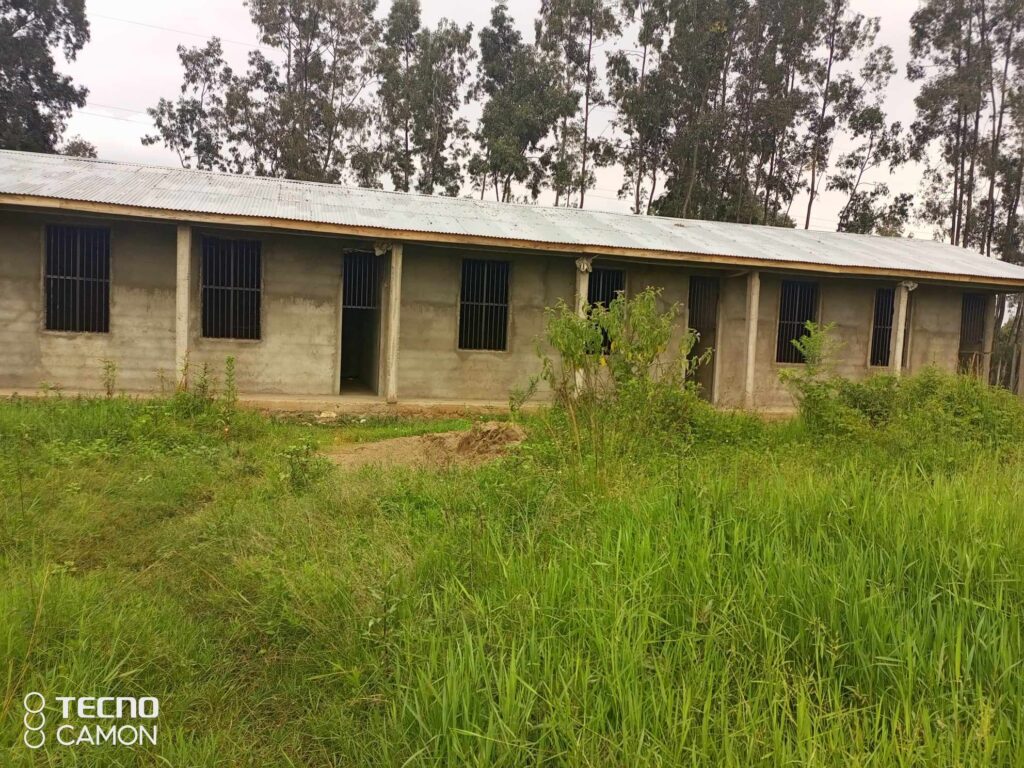
The only way to provide an education for the children of these tribes is to bring them away from their home region to a boarding school or dormitory. We have been operating for 14 years in Sodo, Southern Ethiopia. Sodo is located far enough from the territory of the persecuted tribes to prevent general contempt and bullying. The dormitory project was created specifically to give children from the persecuted Mana and Mansha tribes the opportunity for a school education.